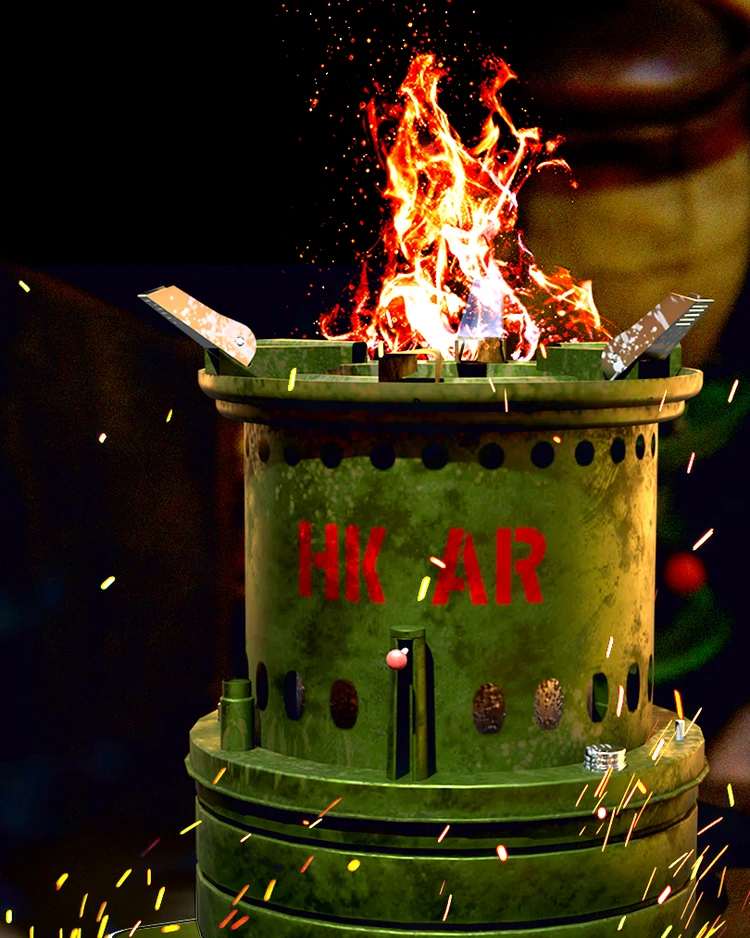
Kerosene Stove · Fo Shui Lo
The stove that warmed a generation of shared Hong Kong kitchens — and sometimes set them alight.
- Era
- 1960s
- Theme
- Domestic life
The stove that warmed a generation of shared Hong Kong kitchens — and sometimes set them alight.
One of the most representative Hong Kong-made objects of the 1960s — the stove that filled cramped, shared kitchens with warmth, and sometimes with fire.
In the decade after WWII, Hong Kong's population grew from 600,000 to 2.5 million. From squatter huts to the Resettlement Estates, the influx of immigrants lived in cramped spaces where bathrooms and kitchens were shared by several families. The emergence of Fo Shui Lo greatly reduced the space cooking required.
"Fo Shui" means kerosene. The stove was originally designed for outdoor and military use, then reinvented by a local Hong Kong manufacturer in a bigger size for indoor use. Its body was made of thin iron sheet — light and affordable. As soon as it reached the market it became hugely popular with housewives, and quickly an essential of every household. But that same flimsiness made it accident-prone and easy to knock over; many serious fires, such as the Shek Kip Mei fire, were caused by a similar kerosene flame.
After the commercialisation of LPG and natural gas, Fo Shui Lo slowly became obsolete — ending the days when it filled thousands of homes with warmth and light.
[Credits to come]
© HKXRM · 2021-11-01
Keep the museum open
Every exhibit takes weeks to months to make, and the team runs on volunteers. Your donation pays for the modelling, the interviews and the hosting behind the next reconstruction — and supporters get first access to the big ones.