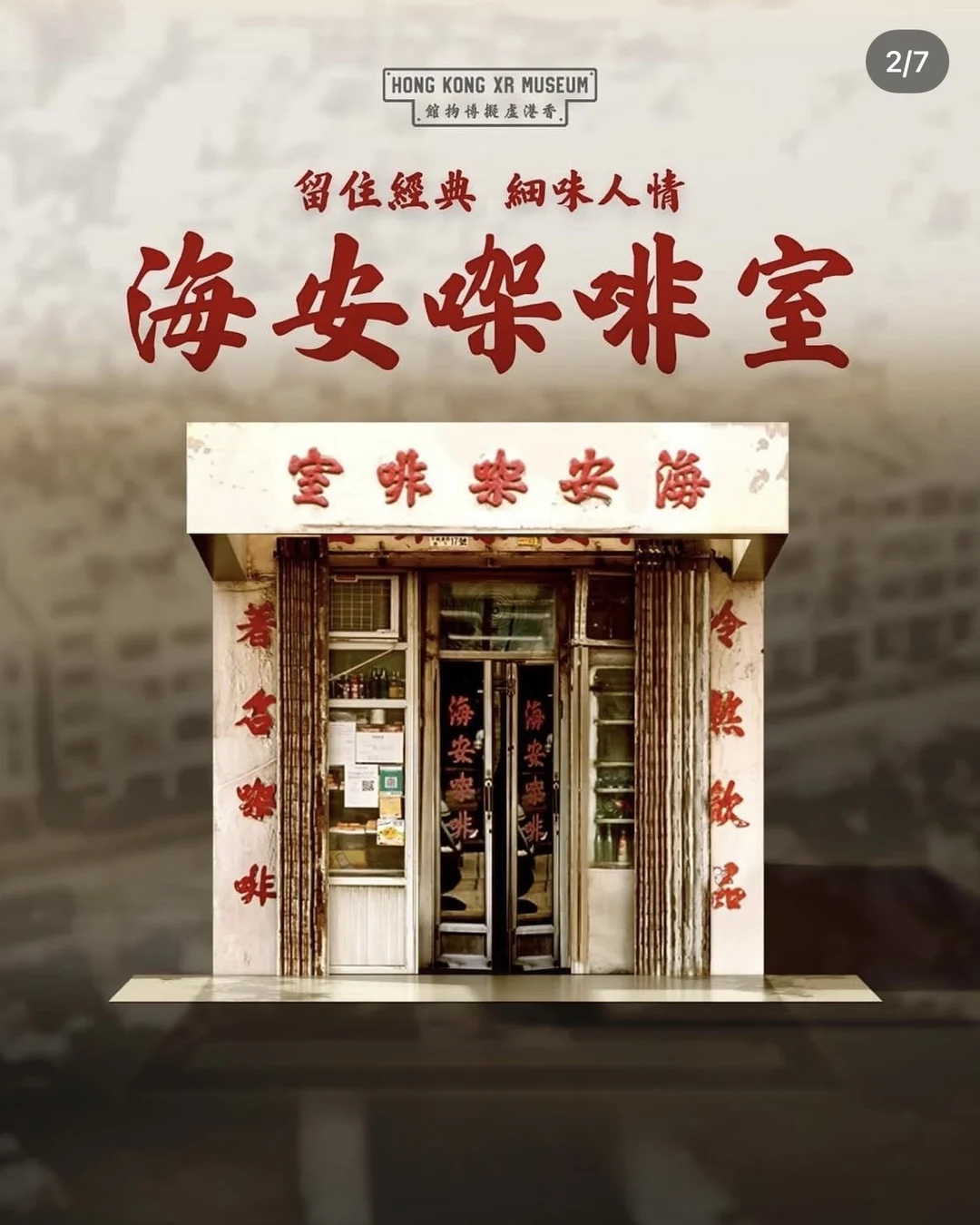
Hoi On Cafe
Teleport to this historical ice cafe of Hong Kong back in 1952 and experience the lives of Hong Kongers post-WW2 right from your home.
- Era
- 1952–2021
- Theme
- Bing sutt · ice cafe
- District
- Sheung Wan
Teleport to this historical ice cafe of Hong Kong back in 1952 and experience the lives of Hong Kongers post-WW2 right from your home.
To begin the story of this ice cafe, we must understand the history of ice supply in Hong Kong. Hong Kong summers are hot and humid even with AC. Imagine how tormenting it was for early British colonists who settled in Hong Kong after it was ceded in 1841. It was a time when electricity was scarce and many infrastructures were not yet developed. It was impossible to produce ice at that time locally. But it didn't stop British colonists and western expats from finding ways to satisfy their cravings. One American businessman, Frederic Tudor, also known as the ice king of Boston, saw this as a great business opportunity. He started shipping ice from Boston and even built the first ice house in Central of Hong Kong. However, that company didn't last long because it was costly and a hassle to transport huge ice blocks half way around the world. It's not until 1874, when a Scottish engineer invented the first ice machine and patented it with another businessman William Bain. The machines were later sold to Jardine Matheson & Co who later formed the business into the Hongkong Ice Company in 1879.
Although they were able to produce ice locally, it didn't make it to local food cultures until the 1950s. Influenced by Chinese cultures, local Hong Kongers believed that cold beverages were not good for their health. Preserving food with ice was not part of their culture before WW2. However, things changed after the war as hundreds of thousands of Chinese laborers fled from the unstable political environment of China to Hong Kong.
In order to cater to this new crowd, local business men such as Wong Kiu, the Coffee King of Hong Kong, founded a company called Tsit Wing Coffee and opened a series of Bing Sutt cafes. Hoi On was the second oldest ice cafe opened in 1952. According to the last owner Mr. Au Yeung and old customers, the former Hoi On mainly served marine workers. Hoi On translates to wishing the customers safety at the sea and safe return. As the name suggests, the ice cafe has been using ice as an attraction. The big freezers that are placed at the entrance created a cold facade to attract customers. The Bing Sutts also served cold drinks and snacks that combined ingredients from both the east and west. The high ceiling and hanging fans provided good ventilation. It was simply a summer oasis for civilians at that time.
The large canopy by the entrance, iron gates, handwritten signs on the outside, along with the tumbler phone in the cafe and the high-back solid wood card slot in front of your eyes are all very representative and necessary decoration designs for icehouses. And Ms. Ouyang, the last generation proprietress of Hoi On, tried her best to preserve the original appearance until she graduated in 2021, hoping that guests can feel the old and meticulousness of Hoi On.
Popular food in the 1950s
Before the war, traditional Chinese food did not contain western ingredients such as milk or ice cream. So when red bean ice was invented, it was very popular among young Hong Kong people. In addition to the signature red bean ice, other light food, such as French toast, pineapple buns, and this cup of milk tea are also inspired by Western culture, while incorporating the original Cantonese cuisine — the prime ice room classic. So it is not an exaggeration to say that Hong Kong people are the founders of the food fusion industry.
All in all, the bing sutt culture marked the beginning of Hong Kong's economic and industrial prosperity under British rule. The British government provided Hong Kong people a stable political environment after World War II. Hong Kong people at that time were also very competitive and worked hard to make Hong Kong prosperous for decades. Since then, Hong Kong people have started to realize the difference between themselves and their Chinese neighbors. Over time, Hong Kong started to form their own identity. Today's brief story of Bing Sutt is only a small portion of Hong Kong's history. Hong Kong is a very complex city with many interesting stories.
Contributors
Ms. Au Yeung — the last proprietress of Hoi On — and the cafe's old customers.
© HKXRM · 2021-11-29
Keep the museum open
Every exhibit takes weeks to months to make, and the team runs on volunteers. Your donation pays for the modelling, the interviews and the hosting behind the next reconstruction — and supporters get first access to the big ones.