- Era
- 1950s
- Theme
- Street trades
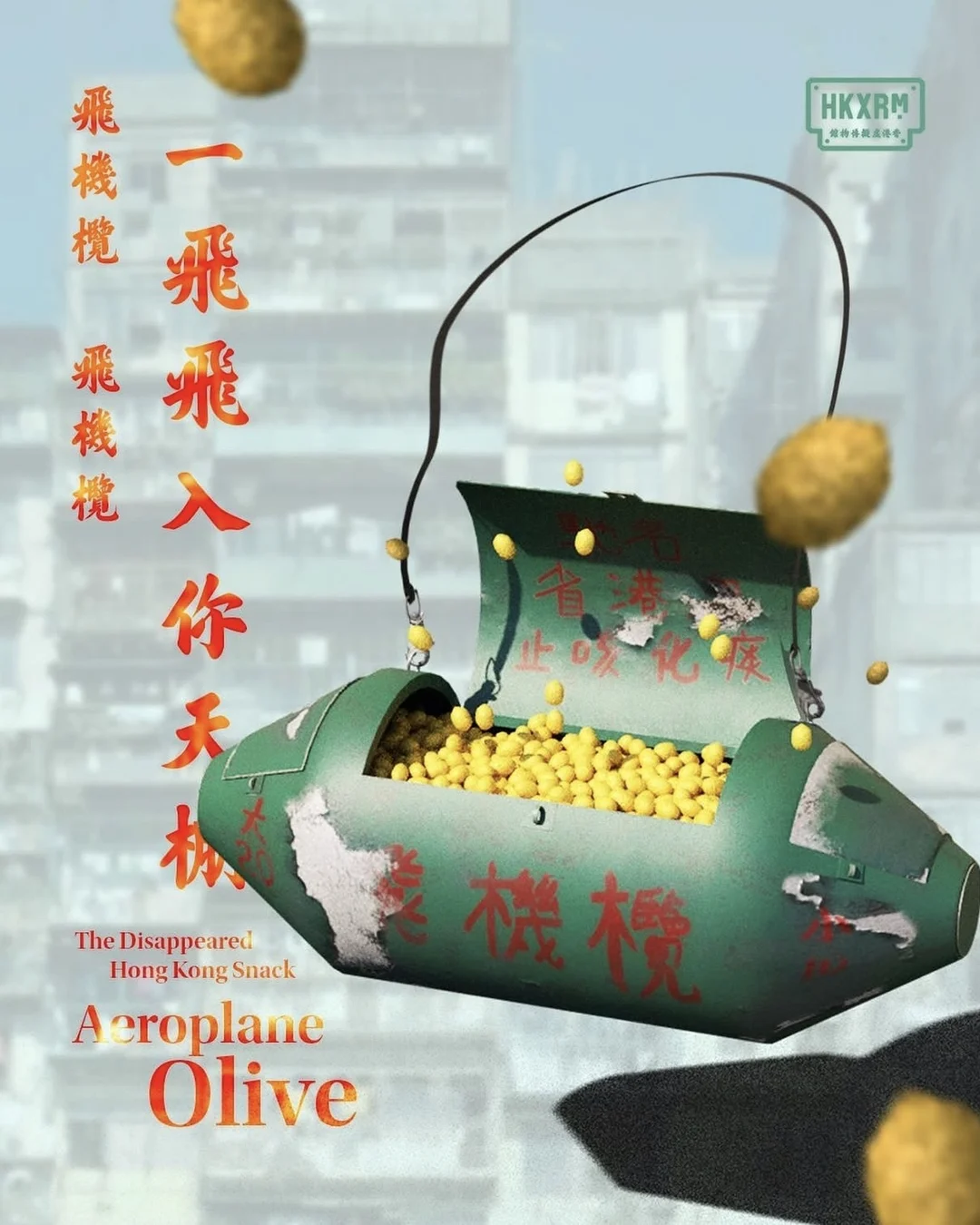
The Last Flying Olive King Seeks an Apprentice
Kwok Kam-kei, better known as Uncle Kei, was thirteen when he started selling flying olives in Sham Shui Po. He spent his life roaming the backstreets and alleyways of Hong Kong’s poorer neighbourhoods, singing, dancing and showing off his olive-tossing tricks for the people who lived in the resettlement estates.
Back then, one cent got you three olives. It sounds like next to nothing, but for kids growing up in working-class families, it was a luxury. Mr. Sin, a regular customer who lived in the Chai Wan Resettlement Estate, recalled, “Flying olives were a status symbol. If you had some, you felt like a big shot, like nobody could touch you. If someone treated you to one, it meant they really cared about you. You were a special friend.”
For all the laughter Uncle Kei brought to the neighbourhood, some customers called him “Kei the idiot” and deliberately threw handfuls of loose change onto the ground so he couldn’t catch it. Sometimes the food and environmental hygiene officers would charge him with obstructing the street. (Cat Curator’s inner monologue: How’s one guy with one box supposed to block the street? Everyone knows the Chinese character for “official” has two mouths. The authorities get to have it both ways. Don’t ask so many questions, kid.)
Through it all, Uncle Kei kept his good humour and sold flying olives for sixty years. When someone asked him, “You have four children, but none of them wants to take over the business. Does it make you sad that there’s no one to carry it on?” he replied, “You think just anyone can sell flying olives? I don’t feel bad about never finding an apprentice. Let it disappear. Let it go extinct.”
Capture & build
HKXRM
© HKXRM · 2024-04-25
Keep the museum open
Every exhibit takes weeks to months to make, and the team runs on volunteers. Your donation pays for the modelling, the interviews and the hosting behind the next reconstruction — and supporters get first access to the big ones.